
C S Lewis and an Old Book
These days I’m posting from the Tradition chapter of “Medieval Wisdom: An exploration with C S Lewis.” The past couple of days have been dedicated to Lewis’s sense of horror at a modern world–including its guild of historians!–that refuses to learn from the past (though he himself had once held the same attitudes). This post begins to look at what he proposed to do about this syndrome of amnesia.
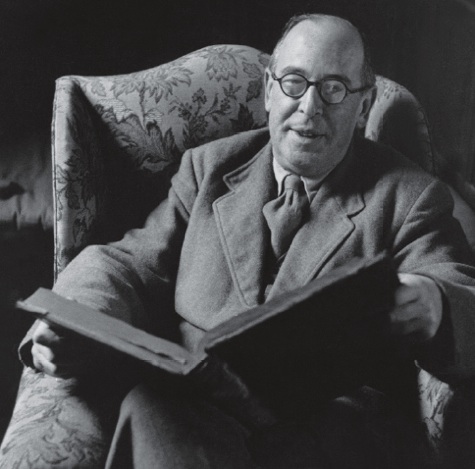
Lewis’s solution to the detachment from tradition in modern society
In his Cambridge lecture (“De Descriptione Temporum”), Lewis insisted that we needn’t think of history as nostalgia or slavish following of past wisdom. He reminded his listeners of the freeing effect experienced by those in therapy who surface and deal with forgotten elements from their individual pasts. Similarly, he argued, “I think no class of men are less enslaved to the past than historians. It is the unhistorical who are usually without knowing it enslaved to a very recent past.”
“Most of all, perhaps, we need intimate knowledge of the past . . . because we . . . need something to set against the present, to remind us that the basic assumptions have been quite different in different periods. . . . A man who has lived in many places is not likely to be deceived by the local errors of his native village; the scholar has lived in many times and is therefore in some degree immune from the great cataract of nonsense that pours from the press and the microphone of his own age.. . . .”[1] Continue reading

 Medieval Wisdom for Modern Christians







 Grateful to the dead