Category Archives: Work with purpose

Millions of Western Christians experience a painful bifurcation between their faith and their work. How can Christians see the divine purpose in their “secular” labors? And where can God’s purposes be found in the economic sphere?

Spirituality and economic work in the Middle Ages: Complementarity, not enmity? Part I


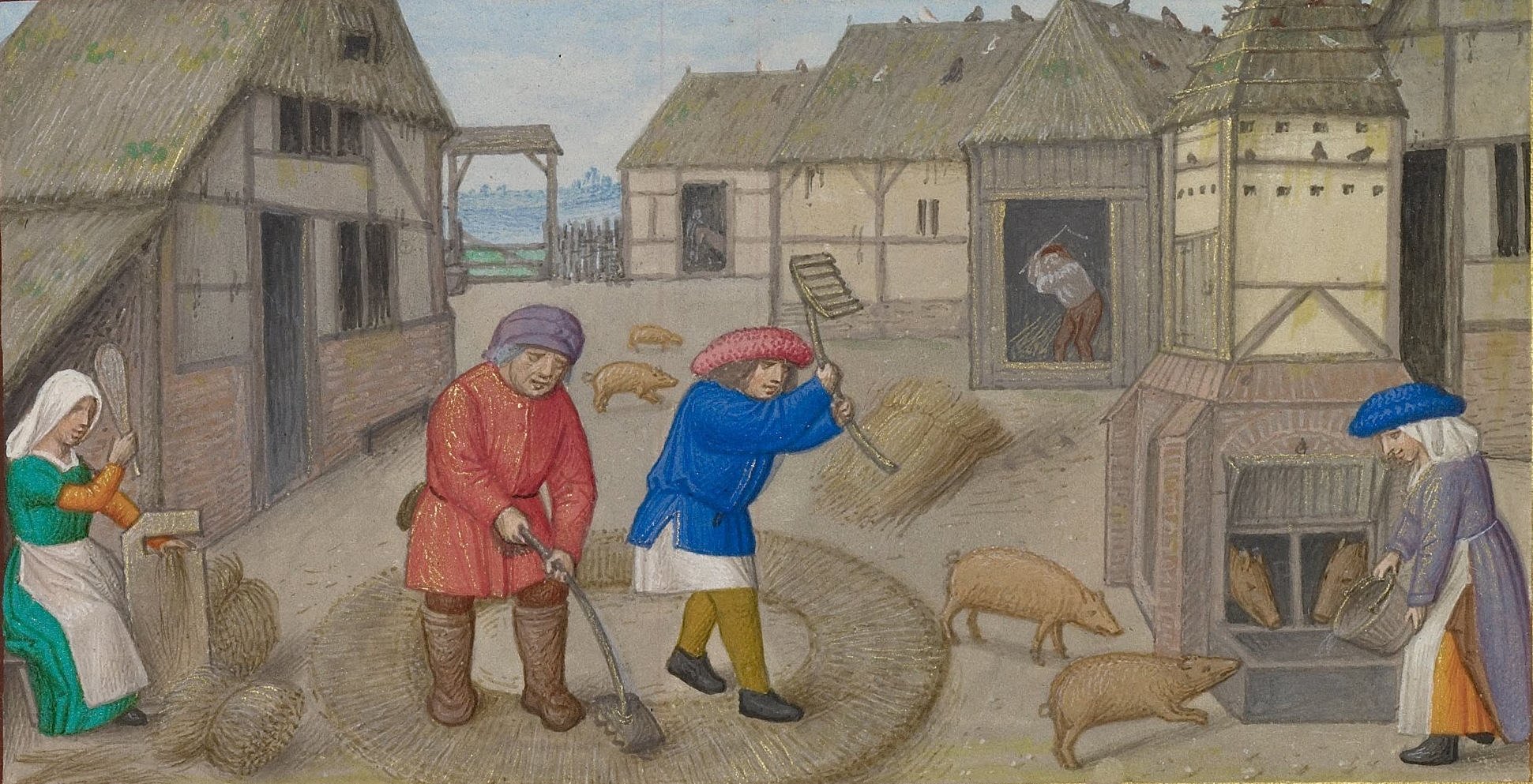
Threshing and pig feeding from a book of hours from the Workshop of the Master of James IV of Scotland (Flemish, c. 1541), Wikipedia (public domain)

A few years ago I was invited to present a paper at a colloquium of scholars gathered to discuss topics related to the intersection of faith and economic work in the history of the church. What I presented was a first stab at a research agenda: 2/3 of a larger idea about a certain theme in medieval Christianity. Since the paper was never published, I intend to blog it here in sections. So, to begin:

*************

The question of this paper is this: Was there, in the Middle Ages, an understanding of economic labor as inherently inimical to the spiritual life – especially as modeled by monasticism?

It is certainly true, as the great medievalist R. W. Southern says, that through its 1,200+ late ancient and medieval years of activity, monasticism was often involved in and compromised by the world. R. W. Southern talks about this complexity:

“Everywhere in the history of the religious Orders we find that associations which were founded as a protest against the world and all its ways had their destinies shaped for them by the society in which they had their being. There were many forces which shaped them, even against their will: their property, their family connexions, their secular functions, and the opportunity which they offered their members for advancement to the highest places in the social order. The ‘worldliness’ of medieval religious communities has often been remarked and generally criticized, and it is true that anyone who looks at these communities for a pure expression of the aims of their founders must very often be disappointed. The states of mind and aspirations expressed in the Rules and Foundation deeds of the various Orders were not realized in any large measure. The driving forces in their development were quite different from those of the original founders.”[i]

But the question is, would medievals themselves share the underlying assumption of this analysis: the supposed “fact” that economic work must, by its very nature, hamper spiritual formation?

Continue reading


Thoughts on faculty change management and innovation


Ken Bolden, Sandra Oh and Mark Philip Stevenson portray professors in “The Chair” on Netflix

I’ve mentioned that in the past few months, I’ve been honored to have rich conversations with theological educators across the country, focused in part on their vocational lives and challenges. (And at the same time, I’ve been reading every Chronicle article I could find on faculty vocation.)

As a (former) professor and the son of a professor, these people and these vocations are dear to my heart. And the pace of change in academe over the past ten years, and especially the past two, has been breathtaking. We’ve all been on a roller coaster, and we all feel new kinds of precarity (both personal and institutional) and we’ve all faced new challenges – as well as new opportunities – in our working lives.

In these conversations, the theme of change management and “forced innovation” came up again and again. Students are looking for new modes of education. The pandemic forced us to convert all our courses to online formats. Our budgets are more and more constrained, while we’re asked to do more and more. Shared governance seems largely a thing of the past, as institutions’ relationships with faculty continue to shift (and adjunctivization continues apace). In a previous post, I’ve paralleled this new reality to the tidal wave of change in the ’80s business world, which sparked the “third wave” faith and work movement.

Meanwhile, for those of us still in the academic trenches, how do we not only cope with this time of rapid change, but also build on the innovation we’ve been pushed into during the past few years – and the past decade?

Continue reading

“Know the story”: an article sketch for principled investors


Photo by Pedro Lastra on Unsplash

Lately I’ve been sketching out an article for a Christian investors’ group. So far the idea looks like this:

What’s the story? How can you find and assess a company’s story about what it does – and what does the nature of that story have to do with the level and quality of its employees’ (and other constituents’) engagement and buy-in, and the way they treat others as they work?

In short, does the company tell a convincing, inspiring, flourishing-centric story about what they are contributing to the world? Or is it something less than that? And does it back up the story with consistent actions?

In this article, I would propose a sort of Maslow’s hierarchy of narratives – from least flourishing-focused (that is, engaging and inspiring) to most. This hierarchy would look something like this:

  • Purpose
  • Precepts
  • Pragmatics
  • Profits
Continue reading

The Christian Story of the University


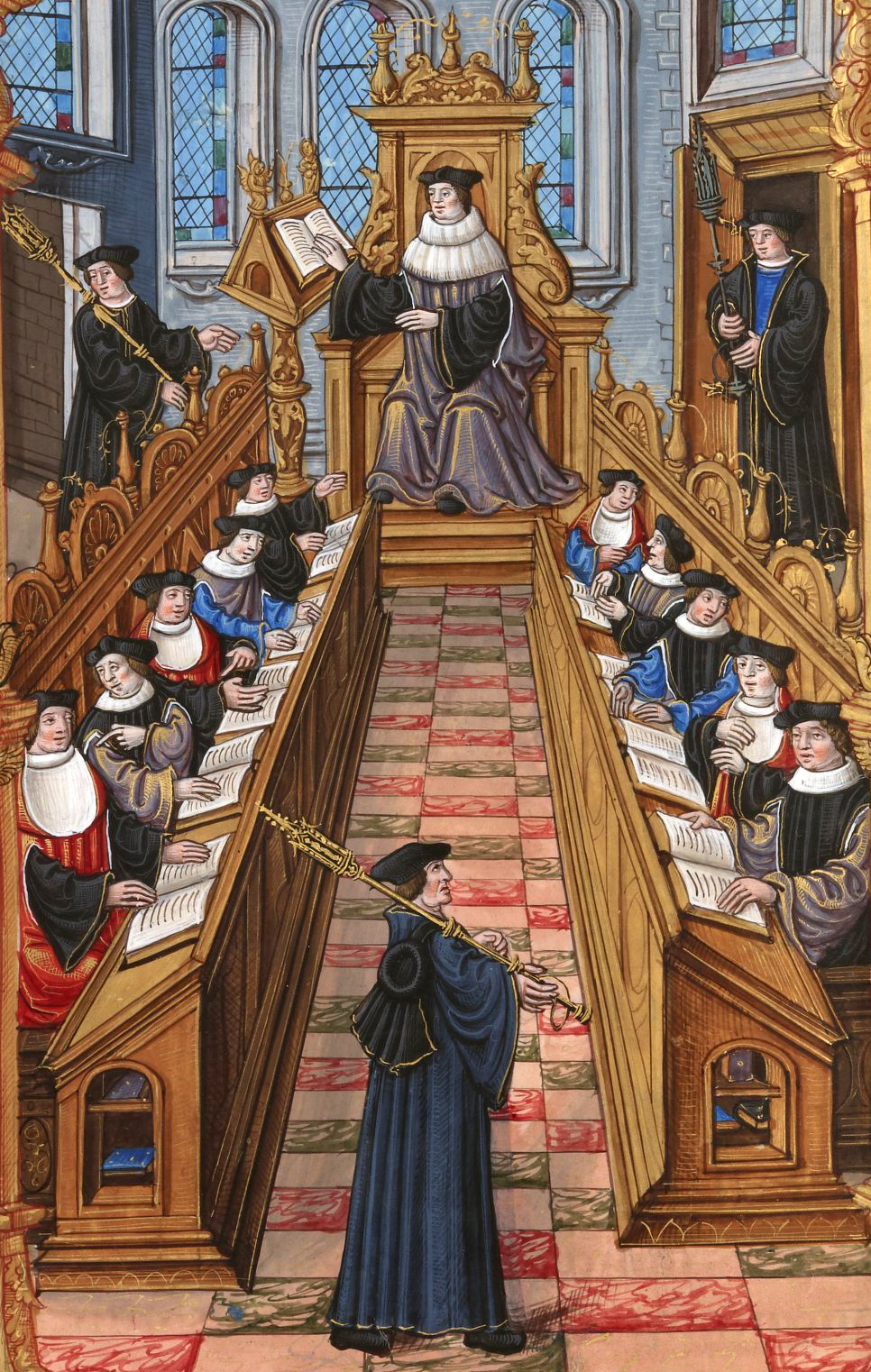
Illustration from a 16th-century manuscript showing a meeting of doctors at the University of Paris; wikipedia, public domain

Continuing this emerging series of posts on the vocation of the (Christian) faculty member–and this will surprise none of my regular readers–I want to take a moment to brag on a recent issue of Christian History magazine, which delves into the Christian (and, here’s a surprise, medieval) history of the university.

The issue is called “Hallowed Halls: The Christian Story of the University,” and is available both in full color and downloadable individual articles at the preceding link. As always, an impressive roster of (that rare bird) scholars-who-can-write-for-ordinary-folks lined up to write about this topic for our indefatigable managing editor, Jennifer Woodruff Tait (yes, you absolutely should read her Intervarsity Press book Church History in Seven Sentences, her even-more-recent co-edited The Cambridge Companion to American Protestantism, and her prize-winning published dissertation The Poisoned Chalice: Eucharistic Grape Juice and Common-Sense Realism in Victorian Methodism). Among the stellar authors in the issue: George Marsden, Jens Zimmermann, Thomas Albert Howard, and Gillian Evans.

And when Marsden was responding to a symposium convened to discuss the new edition of his Soul of the American University, and reflecting in that response on the original, Christian humanist purposes of the university, which motivated its medieval founders, he was moved to refer to the author of the lead article, Regent College scholar of Christian humanism Jens Zimmermann, and to recommend the issue as a whole:

Continue reading

Are we in academe’s “faith and work moment”?


Photo by Jeremy McGilvrey on Unsplash

Further to my piece yesterday – “Readings on the vocations, and challenges, of professors today” – and building on recent experiences of reading several dozen Chronicle of Higher Education articles and convening several groups of professors, here’s a reflection on the “moment” academe seems to be experiencing right now.

Back in March, I had the honor of convening several groups of theological educators (seminary and college faculty) to explore their vocational development needs. One question I asked was about the current vocational challenges faculty are facing. After breaking into small groups, we heard reports from each. One group identified these challenges (rendered here in note format):

  • Anxiety with changes, transition to virtual work – is this real education? Am I doing it well? Not as satisfying. Missing potential for formation?
  • Sense of living and working in a time of transition – everyone knows education is ripe for disruptive innovation
  • Identity: am I simply a professor or also a mentor, coach, something else? – transitions in teaching (and student needs and preferences) lead to questions of identity
  • The need for rest, with some burnout: schools have tighter budgets, are asking people to do more

As I read these notes, I was getting a strong feeling of déjà vu – where had we seen a combination of factors similar to this before? And it dawned on me: this was reminding me of David Miller’s characterization, in his book God at Work, of the 1980s-90s in the American business world, the rise of the “third wave” of the faith and work movement, and his description of the factors and pressures that led boomers to turn to questions of spirituality (both new age and traditionally religious) related to their work, in search of a revived and restructured identity and a recovered vocational satisfaction.

I went back and re-read the main section of Miller that dealt with this and that made the link between vast changes in the business sector (in particular) and an increased focus on “spiritual” issues related to work. I’m pasting it below, then I want to draw out the parallel with today’s higher ed situation and faculty’s current vocational experience.

Continue reading

Readings on the vocations, and challenges, of professors today


Professor Lavanya Rajamani, Wikimedia, creative commons

For the past few years I’ve been part of an eclectic group of folks who have met every quarter to read through small, curated sets of readings on a common topic. Our topics have included current research on (and definitions of) human flourishing, systems thinking, network thinking, secularization and religion, institutions and professions, the rising generation, and many others. I’ve been honored to partner with a brilliant friend to curate the readings and guide the discussions for each of these seminars.

Our topic for our next discussion is “the vocation and flourishing of college and university faculty,” highlighting both the ideals and realities of the role of faculty in higher education and the current opportunities and challenges of being a faculty member.

Continue reading

Questions that arise about Christian humanism as foundation for the faith & work conversation


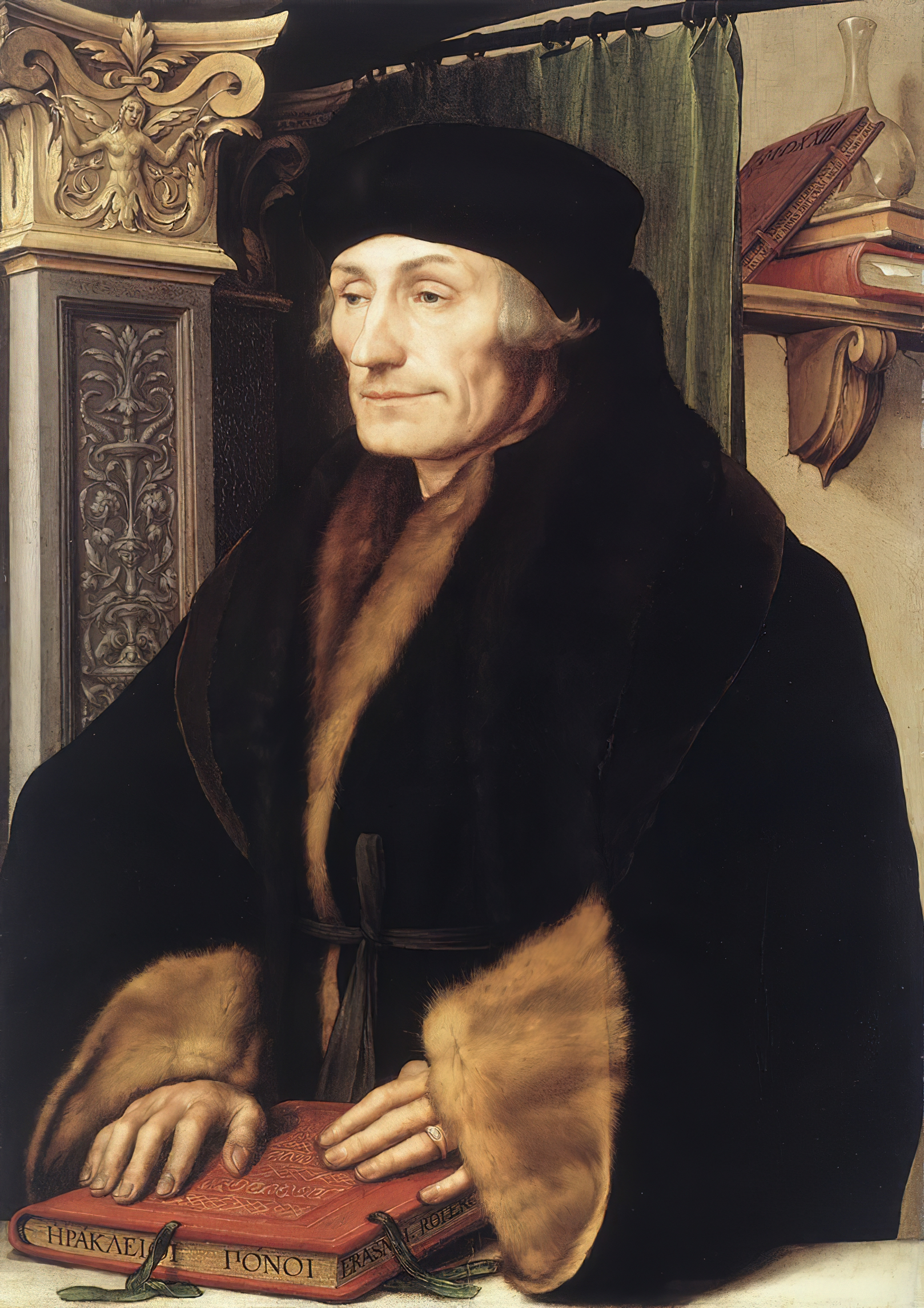
Portrait of Desiderius Erasmus of Rotterdam with Renaissance Pilaster, wikipedia, public domain

I have argued that the faith & work conversation needs a stronger theological foundation, and that the long tradition of Christian humanism can and should provide that foundation. I recognize in making that argument that many questions now arise. So I am beginning to line up those questions. The following is a preliminary list, not yet carefully ordered nor comprehensive; I also recognize that any number of these overlap significantly with each other:

Continue reading

In brief: Why Christian humanism is the essential foundation of the faith & work conversation


  • In light of theologically, biblically, and historically weak popular presentations of faith & work arguments, we must speak primarily in theological terms
  • We must not speak in narrowly theological terms
  • In other words, we must draw on a theological discourse that embraces and can be embraced by all current Christian traditions (e.g. not a discourse that is exclusively neo-Calvinist/Kuyperian, or Wesleyan/Pentecostal, or grounded in Catholic social thought, etc., but informs and converses with all of those traditions and more)
  • We must draw on a theological discourse that stretches back to the earliest church
  • We must draw on a theological discourse that is clear about what human beings are, how we (are to) flourish, and how we are (to be) redeemed
  • We must draw on a theological discourse that is not narrowly “spiritual,” but instead addresses the broadest possible range of human activities (including all major sectors of work) and that affirms material and social as well as spiritual flourishing
  • We must draw on a theological discourse that therefore includes a well-articulated approach to human cultural (including economic) activity
  • We must draw on a theological discourse grounded in undeniable major orthodox doctrines such as creation, the incarnation, and the atonement, and with clear scriptural foundations such as Genesis and the Gospels
  • Christian humanism is the only theological tradition I know of that fulfils all of the above criteria

Further:

Continue reading

Christian humanism and “faith, work, and economics” – notes engaging Jens Zimmermann


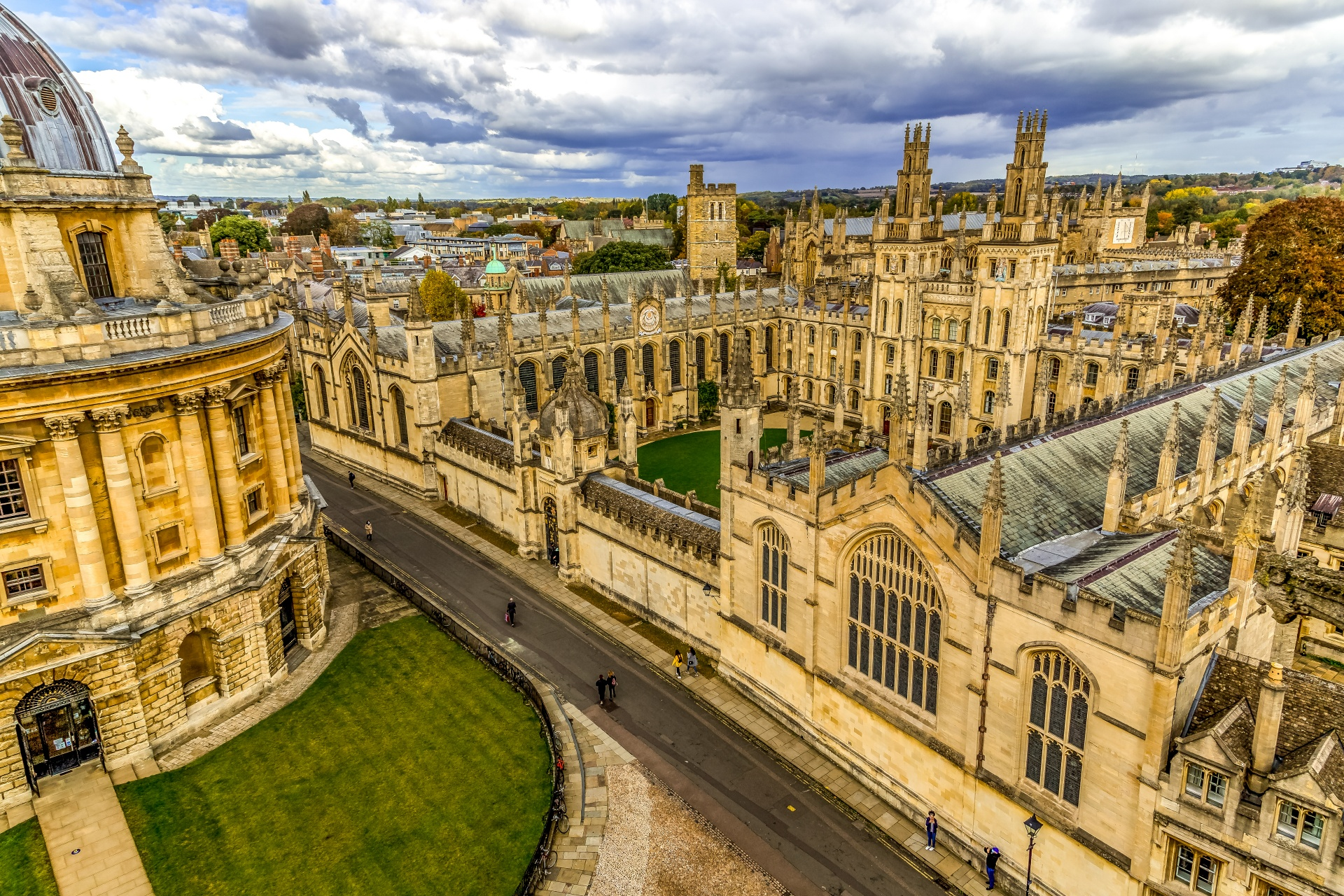
Oxford University, George Hodan, publicdomainpictures.net

Some key points, drafted by C Armstrong, 2-25-21 in engagement with Jens Zimmermann

The following are some key points I drafted early (Feb 2021) in my exploration of the link between Christian humanism and the “faith, work, and economics” conversation, interacting with the work of Jens Zimmermann, JI Packer Professor of Theology at Regent College, Vancouver, Canada. These themes are informing my work in that conversation at the Kern Family Foundation (Wisconsin), engaging a national network of seminaries and Christian colleges preparing future pastors (note that the book cited parenthetically as “Re-Envisioning” at a number of points below is the Zimmermann-edited volume Re-Envisioning Christian Humanism: Education and the Restoration of Humanity):

Continue reading