
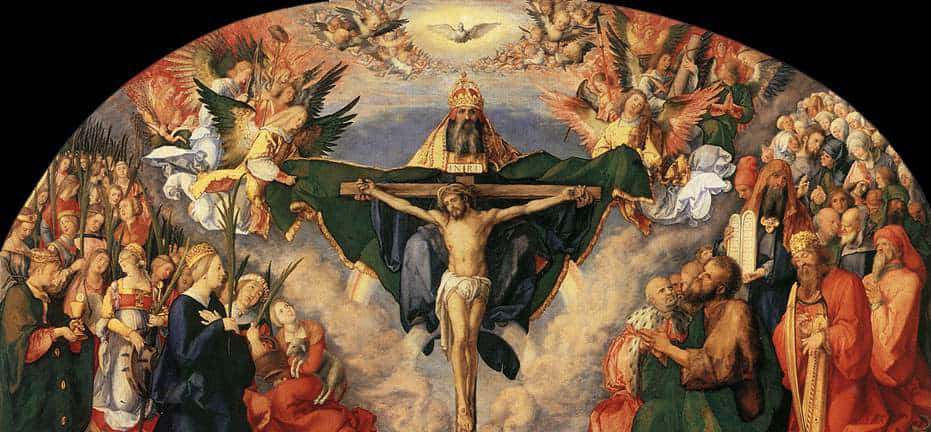
Here’s a new way I’m thinking of for developing the faculty seminar on Christian humanism I’m doing for my friend the Think Tank Director. I like this one better than the more chronological one shared earlier. I’ll share this in a couple of chunks because I went a little crazy with editorializing on it.
This reworking suggests that we use the seminar to explore the hypothesis that Christian humanism has found ways to keep together key dyads: divine-human, faith-reason, virtue-grace, heavenly-earthly, reason-imagination (or truth-beauty). And that the REASON the tradition has been able to do that is its strong grounding in the Incarnation.* We could look at each of those dyads through readings across the different periods, in a way that could attend to historic development without bogging down in the chronology/history.
* Arguably it’s not just the Incarnation but the almost shocking organic unity of the God-human relationship in early soteriology that grounds this whole thing: that is, the theosis understanding of salvation. But interestingly, both Luther and Calvin were similarly quite mystical and organic about the human-God relationship – there are great readings from both that show this.
NOTE: Stupid WordPress has no idea how to deal with the automatic numbering in MS Word, and I don’t have time to go in and change it. So please ignore the plethora of “1s” in the following!
Continue reading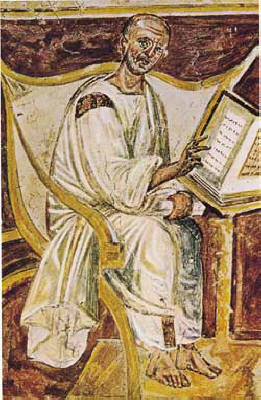

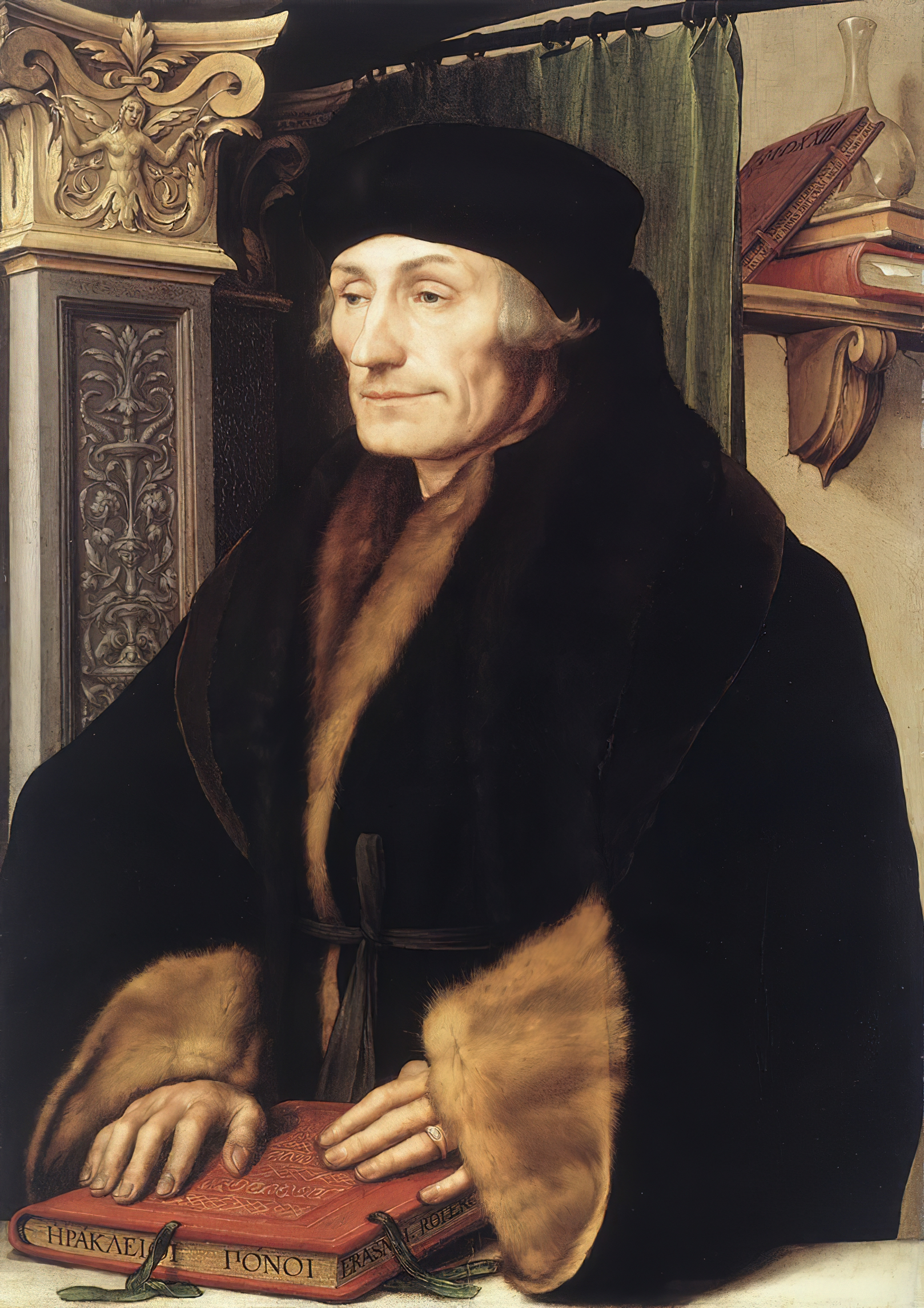
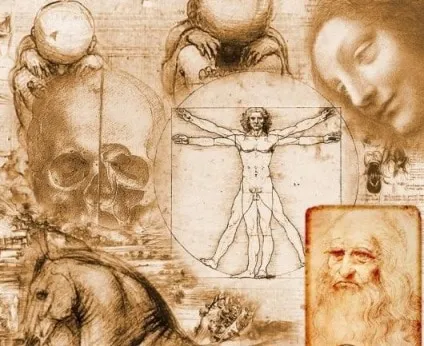
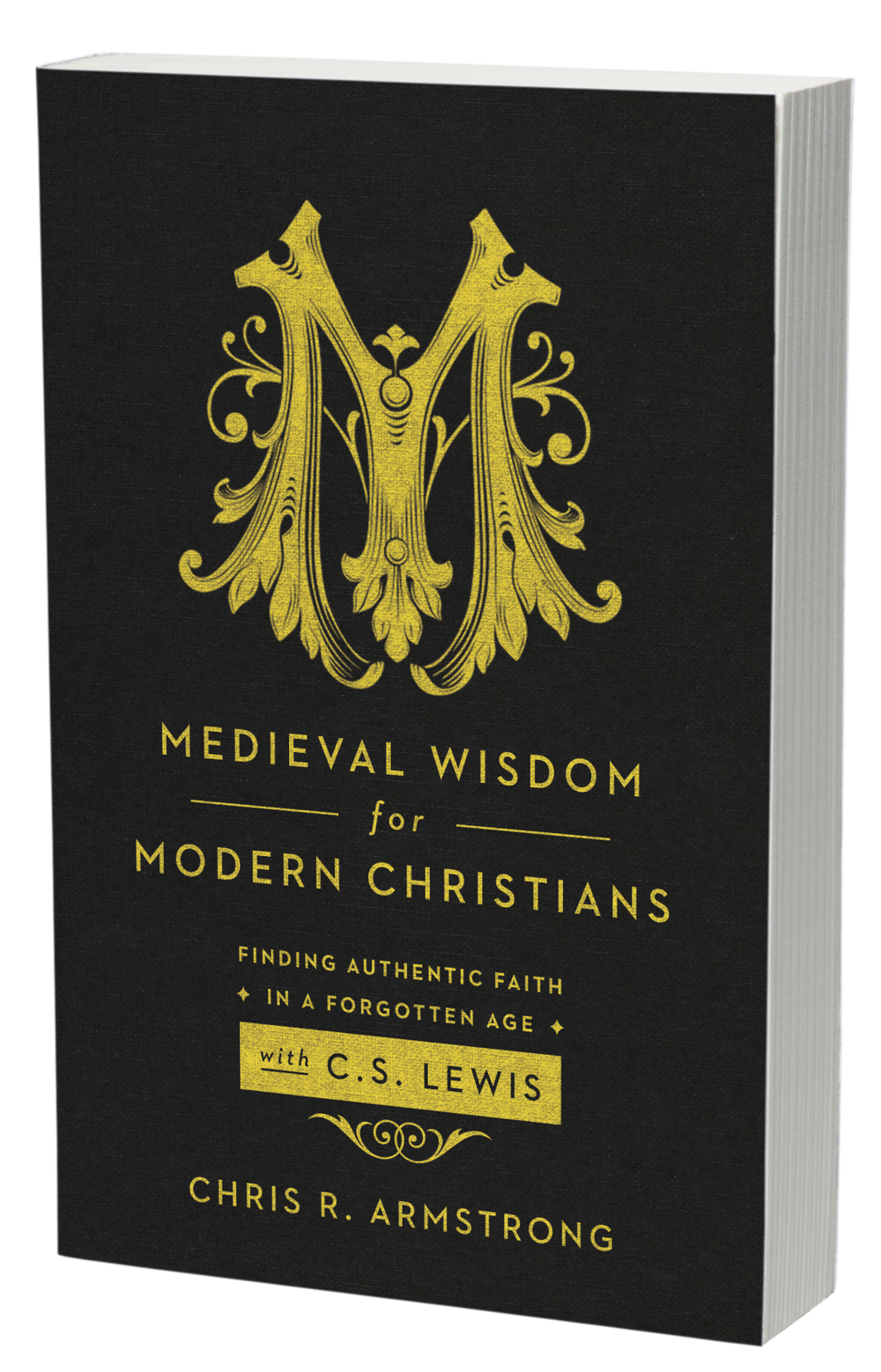 Many thanks to Scot McKnight for hosting Dave Moore’s interview with me on my new book, posted here today: at
  Medieval Wisdom for Modern Christians




 Grateful to the dead